The Working Families Tax Credit (WFTC) is a new tax rebate that will give as much as $1,200 cash back to over 420,000 lower income households in Washington state. This groundbreaking state tax credit opens for applications February 1, 2023. Washington state is the first state without an income tax to implement a state tax credit like the WFTC, which will help support families and start to fix our inequitable tax code.

How does the Working Families Tax Credit work?
Eligibility for the WFTC is based in part on eligibility for the federal Earned Income Tax Credit (EITC), with one important difference; the WFTC rightly includes people who don’t have access to a social security number and file their taxes with an ITIN.
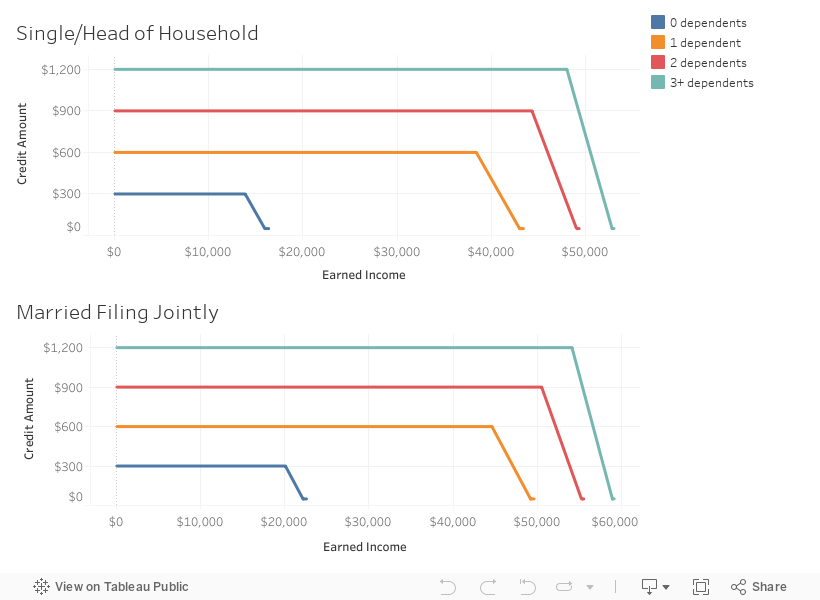
The amount people can receive is based on their income level and the number of qualifying children in their households. The maximum amount for a single person is $300. That amount increases by $300 for every qualifying child, to a maximum amount of $1,200 for a family with three or more children. The amount people receive phases out based on their income level. The minimum amount is $50 for eligible households, regardless of the number of qualifying children.
Learn more about the Working Families Tax Credit in our updated fact sheet
Learn more about ITIN Filers on our ITIN Filers fact sheet
Check out this interactive table to learn more about how income levels and household numbers affect eligibility for the WFTC.
What is the impact of the Working Families Tax Credit?
Flexible cash support, like tax credits, have been shown to have far reaching benefits. State and federal tax credits targeted to people with low incomes have shown to reduce economic hardship, improve physical and mental health and well-being, and support educational and developmental outcomes for children in families that receive credits.
The Working Families Tax Credit also helps address Washington’s inequitable tax code, in which those with the fewest resources pay around 17% of their income in taxes, and the wealthiest pay only about 3%. Because of historical and persistent policies preventing communities of color from building wealth, Black, Indigenous, and People of Color (BIPOC) communities pay a higher share of their income in taxes. This tax credit helps correct this inequity, while supporting families with a cash boost so they can put food on the table, pay for emergencies, and meet their basic needs. The WFTC will reach almost one in three kids in Washington state, with outsized benefits for BIPOC households, who make up 43% of eligible households in comparison to 36% of the state population.
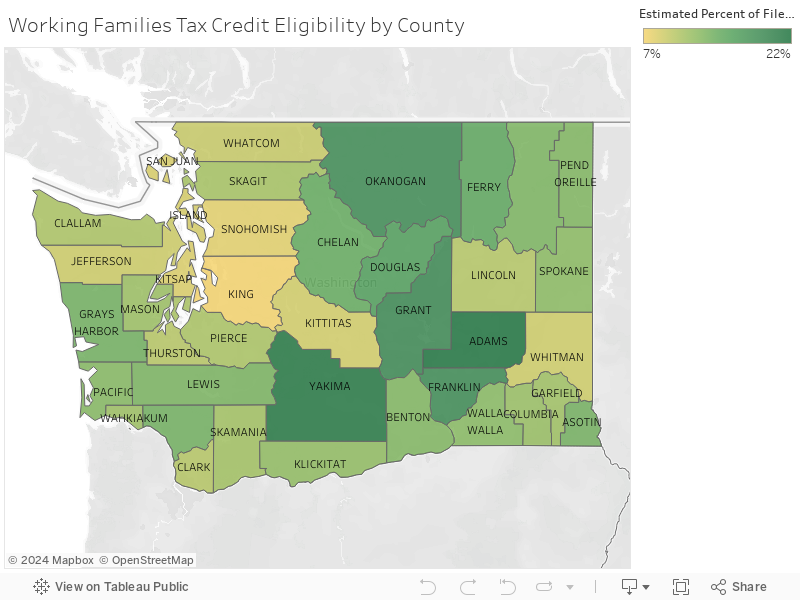
The credit will also have a big impact for rural communities across Washington state. See more details on where households are eligible in this interactive map.
Let’s make sure every single eligible household applies and receives their cash
In order for the Working Families Tax Credit to have its promised impact, eligible households across Washington state need to know how to apply. People can learn more about the tax credit and find resources to help them apply at www.WATaxCredit.org.